
 See Our Latest Article on HelloNation

What Is a Sports Concussion and Why Are They a Concern Locally?
A sports concussion is a mild form of traumatic brain injury caused by an impact or jolt to the head or body. In Lloyd, NY, active community life offers many opportunities for recreation, from school athletics to adult leagues and pick-up games at parks. Concussions can have lasting cognitive and physical effects, especially in growing children and teens. Recognizing the risks is the first step to prevention.
What Protective Gear Actually Reduces Concussion Risk?
Properly fitted helmets and mouthguards can help lower the likelihood and severity of head injuries, but no gear can fully prevent concussions. Helmets are critical in sports like football, lacrosse, hockey, and biking, where head impacts are common. Residents should:
- Check helmet fit before each use—straps should be snug and the helmet must not shift when the head moves.
- Replace helmets after any major impact, even if there is no visible damage.
- Encourage athletes to wear mouthguards for sports involving risk of falls or collisions.
However, even the best equipment has limits. Helmets are designed primarily to prevent skull fractures, not all types of brain injury.
Which Sports in Lloyd Have Higher Concussion Risks?
Contact and collision sports carry higher concussion risks, but injuries can happen anywhere. Activities with greater local concussion concern include:
- Football, soccer, and lacrosse—often played in schools, leagues, and local fields.
- Basketball and volleyball—frequent head-to-floor or elbow-to-head contact.
- Cheerleading and gymnastics—impacts from tumbling or falling.
- Winter sports—occasional snow and ice create slip hazards for skaters and sledders.
Non-contact sports, like swimming, have lower risk but are not immune if falls occur on the pool deck or surrounding areas.
Can Coaching and Playing Techniques Prevent Concussions?
Yes—teaching safe play, enforcing rules, and developing good techniques matter just as much as equipment:
- Coaches can instruct players on how to safely tackle, head a ball, or fall without using the head as a point of contact.
- Strictly enforcing rules against rough play, illegal hits, or dangerous maneuvers helps lower injury rates.
- Athletes should be reminded frequently to stay aware of their surroundings, keep heads up, and communicate on the field or court.
In youth sports, hands-on skill teaching and supervision are especially important, as young players may not recognize risky behaviors.
Are There Local Factors That Increase Concussion Risk?
Weather and field conditions in Lloyd may contribute to falls or impacts. For example:
- Icy sidewalks and parking lots at local gyms or after-school events can cause slips before or after play.
- Grass fields may become uneven or muddy following heavy rain, increasing the likelihood of unintentional contact in soccer and flag football.
Coaches, parents, and athletes should regularly assess play areas for hazards and advocate for field maintenance or set-up changes as needed.
How Can Schools and Community Programs Support Prevention?
School districts and sports organizations in the area may set policies aimed at reducing concussion risks:
- Many follow state guidelines on concussion management, requiring immediate removal from play and medical clearance before returning to sports.
- Some programs use preseason baseline cognitive testing to track recovery if a concussion occurs.
- Educational workshops for parents and coaches are increasingly common to help recognize concussion symptoms and respond appropriately.
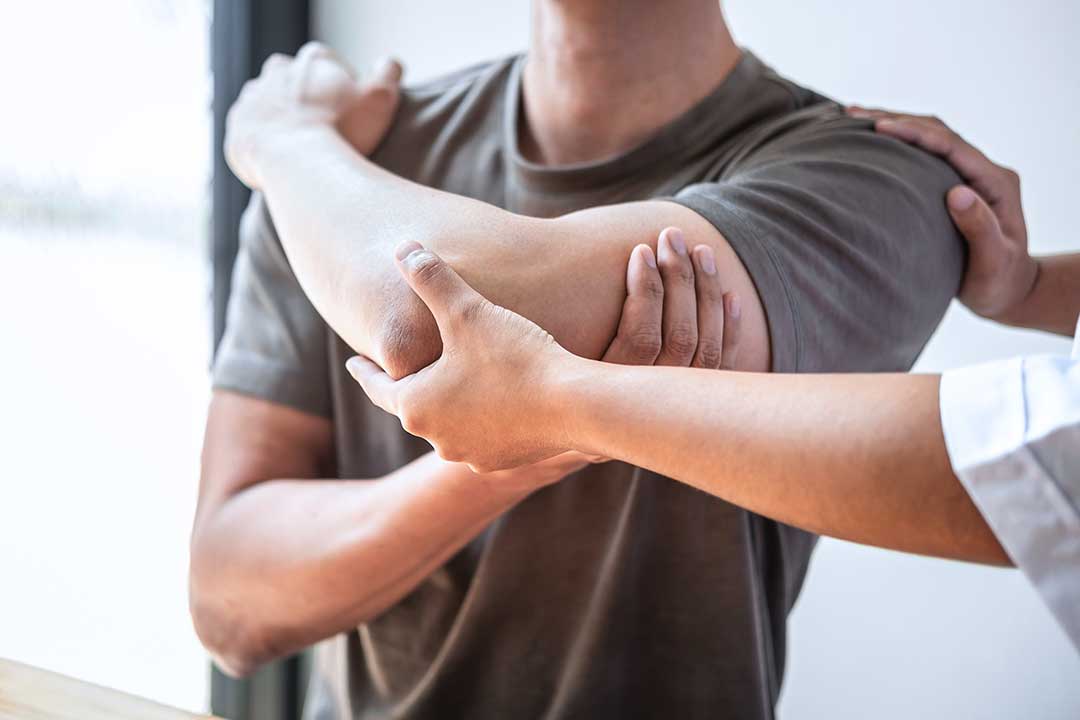
Involving the whole community can create a more safety-conscious environment for everyone, from elementary students to adult recreation league participants.
What Are Signs of a Concussion and What Should Happen Next?
A concussion is not always obvious at first. Common immediate signs include confusion, headache, dizziness, nausea, sensitivity to light/noise, or even just "feeling off." Any potential head injury should be taken seriously regardless of symptom severity.
If a concussion is suspected:
- Remove the athlete from play immediately.
- Monitor for worsening symptoms, such as vomiting, severe headache, or drowsiness.
- Seek prompt medical evaluation—return to activity should only occur after professional clearance.
Early action and appropriate care usually mean a quicker, safer recovery and reduce the chances of long-term problems.
What Are Common Misconceptions About Sports Concussions?
Some local families may believe that only hard hits cause concussions, or that you have to lose consciousness to be concussed. In reality:
- Even mild blows or rapid head movements can cause brain injury.
- Most concussions do not involve a loss of consciousness.
- It is not safe to "shake it off" and return to play in the same session.
Understanding these facts can help reduce stigma and encourage responsible sideline decisions.
What Preventive Habits Build Safer Teams and Leagues?
In addition to equipment and rule enforcement, ongoing habits make a big difference:
- Promote a team culture where players feel comfortable reporting symptoms without fear of letting others down.
- Emphasize rest and honest communication about head injuries, especially among teens who may want to hide symptoms.
- Encourage preseason conditioning and neck strengthening exercises to build resilience against injury.
Over time, these practices help keep local sports fun, healthy, and safe for all ages.
