
 See Our Latest Article on HelloNation
What can chiropractic adjustments do for athletes?
Chiropractic adjustments may help some athletes manage joint or muscle-related pain, improve movement, and return to normal training after certain musculoskeletal injuries. They are generally most useful as one part of a broader plan that may also include strengthening, mobility work, rest, gradual loading, and sport-specific rehabilitation.
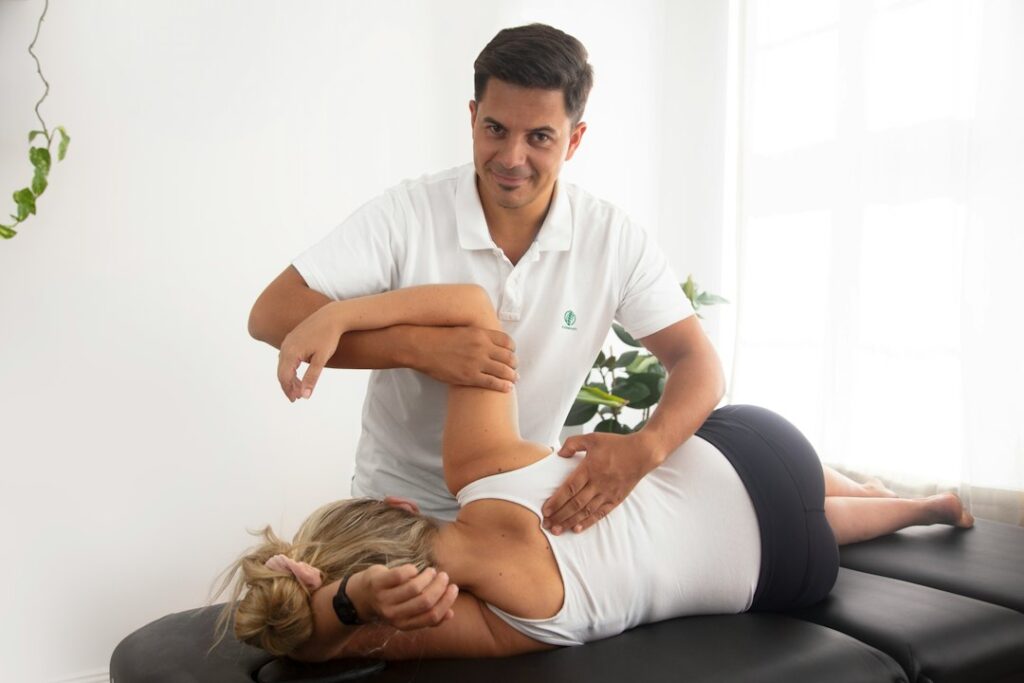
An adjustment is a hands-on technique intended to influence the movement of a joint, often in the spine or extremities. The goal is not to “put bones back into place,” but to reduce movement restrictions, ease discomfort, and help the body move more normally.
The potential value depends on the athlete’s condition. An adjustment may be reasonable for some cases of back pain, neck stiffness, joint discomfort, or restricted mobility. It is not a universal treatment for every sports injury, and it does not replace medical evaluation when an injury is severe or unclear.
How might adjustments support athletic performance?
The most direct benefit may be improved movement. Athletes rely on coordinated motion across the spine, hips, shoulders, knees, and ankles. If one area becomes painful or stiff, an athlete may compensate by placing extra stress on another part of the body.
For example, limited ankle movement can affect landing mechanics, while hip stiffness may alter running stride or squatting technique. Restricted upper-back movement can influence throwing, swimming, lifting, or overhead activity. Addressing a movement limitation may make it easier to perform exercises correctly and comfortably.
Possible short-term benefits include:
- Reduced soreness or joint discomfort
- Improved range of motion
- Easier movement during warmups and training
- Better tolerance of rehabilitation exercises
- Greater awareness of posture and movement habits
These effects vary widely. Feeling looser after an adjustment does not necessarily mean an injury has healed, and temporary relief should not be treated as proof that an athlete is ready for full competition.
Can chiropractic care help prevent sports injuries?
There is no strong basis for claiming that routine adjustments can prevent all sports injuries. Injury prevention depends on many factors, including conditioning, sleep, training volume, technique, equipment, nutrition, recovery time, previous injuries, and the demands of a particular sport.
Chiropractic care may contribute indirectly by helping an athlete address pain, stiffness, or movement limitations before they interfere with training. However, prevention is more likely to involve a combination of:
- Gradual increases in training intensity
- Strengthening of muscles that support vulnerable joints
- Dynamic warmups and appropriate cooldowns
- Adequate rest between demanding sessions
- Proper technique and sport-specific conditioning
- Prompt attention to recurring pain
Athletes in Lloyd may face changing outdoor conditions throughout the year. Cold weather can make muscles and joints feel stiff before activity, while uneven fields, wet surfaces, and seasonal changes can alter footing. A thorough warmup and careful attention to the playing surface are often as relevant to injury prevention as any hands-on treatment.
Which sports injuries may be appropriate for an adjustment?
Adjustments are generally considered for mechanical or musculoskeletal complaints rather than serious tissue damage or internal medical conditions. Examples may include uncomplicated back pain, certain types of neck or joint stiffness, and movement limitations affecting the spine or limbs.
An athlete with a mild strain may benefit from a plan that includes manual care, but the adjustment alone is unlikely to be sufficient. Tendon injuries, ligament sprains, stress injuries, fractures, significant muscle tears, and dislocations require appropriate assessment and rehabilitation.
Pain that radiates down an arm or leg, weakness, numbness, loss of coordination, visible deformity, severe swelling, or an inability to bear weight should not be treated as routine post-training soreness. These symptoms may require prompt medical evaluation.
Do adjustments improve strength, speed, or flexibility?
Adjustments do not directly build muscle strength, increase cardiovascular fitness, or replace flexibility training. They may make a movement feel easier by reducing discomfort or improving short-term joint motion, but lasting athletic improvements usually require active training.
Strength and performance gains come from progressive resistance exercise, technical practice, conditioning, recovery, and consistent nutrition. Mobility improvements are more likely to last when manual techniques are combined with active range-of-motion exercises and strength through the newly available movement.
A useful question is not simply, “Did the adjustment feel good?” A better question is, “Can the athlete now complete the necessary rehabilitation or training movement with better control and less pain?”
Are chiropractic adjustments safe for athletes?

For many healthy people, spinal manipulation produces temporary side effects such as soreness, stiffness, or a mild increase in discomfort. These effects often resolve within a day. More serious complications are rare, but risk may be higher for people with certain medical conditions.
An athlete should disclose relevant health information, including:
- Recent falls, collisions, or head injuries
- Fractures, dislocations, or suspected stress injuries
- Blood-clotting problems
- Bone weakness or osteoporosis
- Numbness, weakness, or changes in balance
- Current medications and previous surgeries
Neck manipulation deserves particular caution after a collision or sudden injury. A new severe headache, dizziness, fainting, vision changes, facial weakness, difficulty speaking, or unusual neurological symptoms require urgent medical attention rather than routine manual treatment.
Can an adjustment treat a concussion?
No. Chiropractic adjustments should not be used as a substitute for concussion assessment or a medically supervised return-to-play plan.
After a blow, bump, or jolt to the head or body, symptoms may include headache, dizziness, nausea, sensitivity to light, confusion, unusual fatigue, balance problems, or feeling mentally slowed. An athlete with a possible concussion should be removed from play and assessed by an appropriate healthcare provider.
Returning to sports should occur gradually and only with medical approval. If symptoms return during activity, the athlete should stop and follow the recovery plan. Continuing to compete while experiencing concussion symptoms can increase the risk of another injury and prolong recovery.
What should athletes expect from a responsible care plan?
A careful plan begins with questions about the injury, training schedule, symptoms, previous injuries, and personal health history. The assessment should consider whether the problem appears appropriate for conservative musculoskeletal care or whether another type of evaluation is needed.
Treatment may include an adjustment, but it may also involve mobility exercises, strengthening, ergonomic changes, recovery guidance, or referral for additional assessment. The athlete should understand what activities are acceptable, which movements to avoid temporarily, and what signs indicate that the plan needs to change.
Progress should be measured by useful function: walking, running, lifting, jumping, throwing, or practicing without worsening symptoms. Pain relief by itself is not enough to determine readiness for competition.
When should an athlete seek medical evaluation?
Prompt medical care is appropriate after a high-impact injury, suspected fracture, dislocation, severe swelling, chest pain, breathing difficulty, loss of consciousness, or rapidly worsening symptoms. Medical evaluation is also warranted for persistent pain, unexplained weakness, repeated injuries, or symptoms that prevent normal movement.
For less urgent problems, an athlete should avoid repeatedly testing the painful movement at full intensity. A short period of relative rest, gentle movement, hydration, and gradual return to activity may be reasonable while the symptoms are monitored. If the problem does not improve or keeps returning, a more complete evaluation can help identify the underlying training or movement issue.
Chiropractic adjustments may be useful for selected athletic complaints, particularly when stiffness or mechanical pain limits movement. Their benefits are most realistic when they are combined with active rehabilitation and sensible training decisions. The safest approach treats manual care as one tool within a broader plan—not as a replacement for diagnosis, conditioning, or appropriate medical care.
