
 See Our Latest Article on HelloNation
Why Does Mobility Become Challenging for Seniors?
Older adults in Lloyd, NY often notice daily movements feeling more difficult over time. Naturally, changes in muscles, joints, and nerves affect flexibility and balance. Years of repetitive motions, physical work, cold winters, or even common daily routines can lead to stiffness—sometimes compounded by arthritis, osteoporosis, or minor injuries that heal slowly. Many residents also juggle the effects of old sports injuries, back pain after shoveling snow, or challenges from walking on uneven sidewalks and trails around the Hudson Valley.
How Can Chiropractic Techniques Address Age-Related Stiffness?
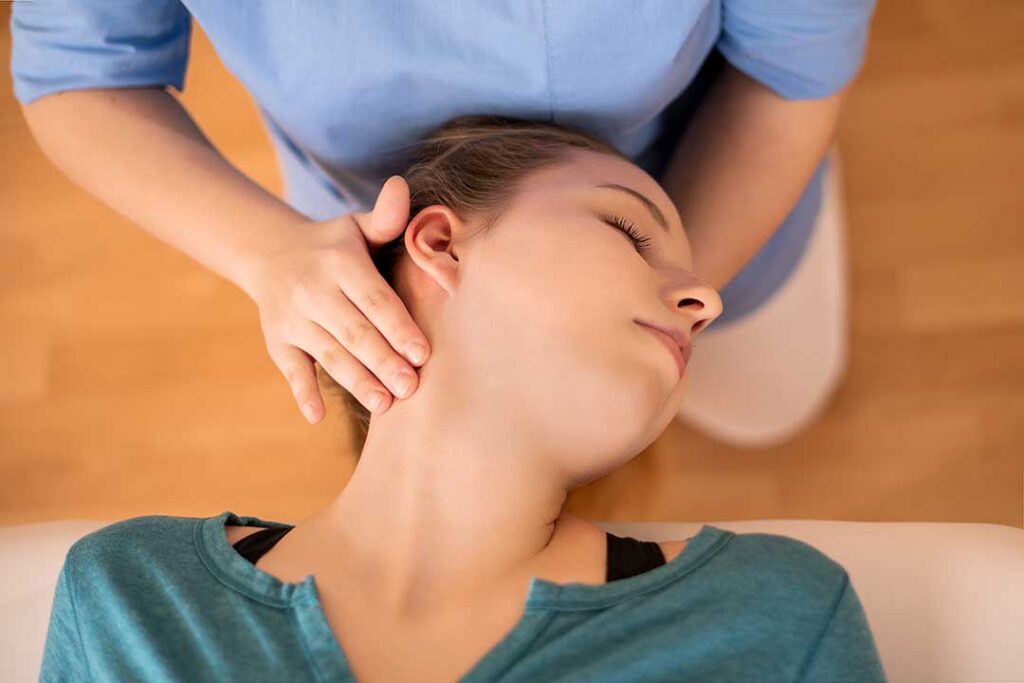
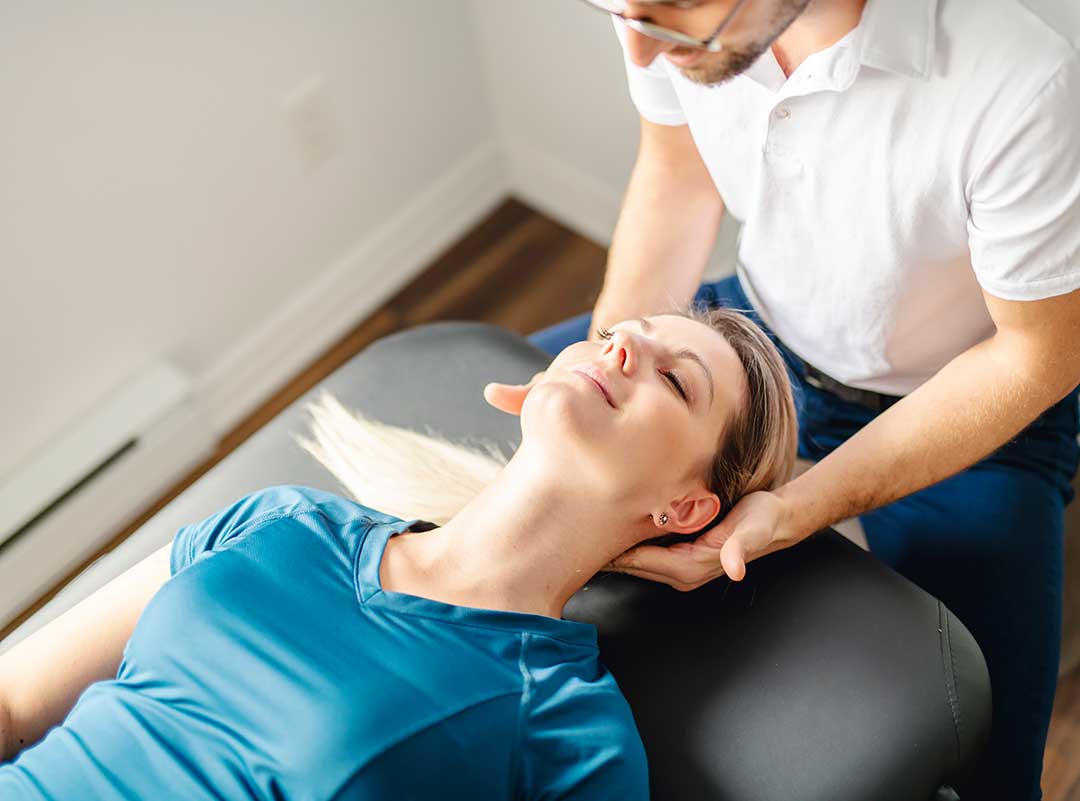
Chiropractic focuses on the spine, joints, and nervous system. By gently adjusting the spine or other areas, these techniques aim to restore normal movement patterns and decrease tightness. Local seniors often ask whether this is painful—most evidence and patient reports suggest that chiropractic adjustments for older adults are generally gentle, with treatments often adapted for comfort and safety.
In practice, chiropractors use:
- Manual adjustments, often modified to use less force in older adults
- Stretching routines or light mobilization techniques
- Assessments to check joint function, posture, and gait
By improving spinal alignment, the body can transmit signals more effectively, potentially leading to less muscle tension and improved walking, rising from chairs, or even getting in and out of cars.
Do Seniors in Lloyd Really Benefit from Chiropractic Mobility Work?
Many in the community are curious whether this care is worthwhile for local seniors. Most scientific studies suggest that chiropractic may support joint health, especially for those with mild to moderate arthritis or a history of back discomfort. Improved spinal function—when part of a well-rounded movement plan—can increase flexibility, contribute to steadier balance, and decrease the risk of minor falls. This is especially practical for households in the city built around hills, stairs, or older homes with uneven flooring.
Practical effects residents might experience include:
- Feeling more confident getting up from a seated position
- Walking longer distances without feeling as stiff
- Going about household chores—like gardening or reaching shelves—with fewer limitations
What Are Some Common Misconceptions About Chiropractic and Aging?
Some believe chiropractic care is only for serious injuries or is too intense for aging bodies. In reality, many chiropractors frequently modify techniques for seniors—using lighter touch, supportive stretching, and tailored plan adjustments. Another misconception is that “cracking” joints is required or dangerous; for older adults, care is more focused on gentle movement and long-term function than dramatic adjustments.
Chiropractic does not cure chronic diseases such as osteoarthritis or resolve severe bone density loss. Instead, it is generally used as part of a broader mobility-support plan, which may also include physical therapy, exercise, and at-home stretching.
How Is Mobility Improvement Measured for Local Seniors?
Progress is best tracked by actual movement gains, not just pain reduction. Area residents might assess improvements by noting:
- How easily they can walk to the mailbox or around local parks
- Whether getting in and out of a car feels less awkward
- Increased ability to bend or reach during daily tasks
Some practitioners may use range-of-motion checks, balance testing, or walking speed over a short distance, tracking these changes over several weeks or months.
Are There Risks for Seniors Considering Chiropractic Care?
Chiropractic is considered low-risk for most healthy seniors, but not everyone is a candidate for every technique. For those on certain medications, with significant osteoporosis, or after a recent fracture, modified techniques or referral to other specialists may be recommended. Communication about past medical history—including medications, surgeries, or heart and bone conditions—helps determine safe, beneficial options.
Residents should be aware that soreness after treatment can occur, much like beginning a new exercise program, but serious side effects are rare, especially when care is tailored for older bodies.
What at-Home Habits Can Help Maintain Mobility Alongside Chiropractic?
Lasting mobility gains depend on daily habits in addition to any professional care. Local seniors often benefit from:
- Staying active with walks around neighborhood trails, parks, or community centers
- Gentle stretching, either independently or with guided classes (like chair yoga for those with limited mobility)
- Practicing safe lifting and careful posture during household chores
- Using supportive shoes, especially during slippery or icy months common in the region
Consistent, small efforts combined with periodic mobility checks allow many to maintain comfort, independence, and ongoing participation in the community’s events and social life.
